- Alcohol offers only temporary relief from anxiety. Once it wears off, anxiety often returns stronger (a phenomenon called “hangxiety”)
- Alcohol mimics GABA (the calming neurotransmitter) and blocks glutamate (the excitatory one). But the brain compensates by producing more glutamate receptors, leaving you in a state of chemical overdrive when sober.
- Physical health risks of alcohol include disrupted REM sleep and heart palpitations.
- Mixing alcohol with anxiety medications like benzodiazepines or beta-blockers is extremely dangerous and can lead to respiratory failure or heart complications.
- Professional help and cognitive behavioural therapy (CBT) can help relieve anxiety while helping you quit alcohol.
Did you notice that “I need a drink” has become common? Alcohol and anxiety are closely connected, yet many people rely on drinking to cope with stress and emotional discomfort. In the UAE, where social, professional, and cultural pressures can run high, this habit is more common than many people openly acknowledge. It’s no wonder anxiety creeps in for so many people.
Tight deadlines, social expectations, or just the everyday buzz can leave you feeling wound up.
Some people reach for a drink thinking it will help, but the relationship between alcohol and anxiety is a deceptive one. Alcohol offers only a short-lived sense of calm. It often worsens anxiety over time and brings serious risks to your health and well-being.
Addiction is expensive, too. Back in 2012, it cost the UAE economy over $5.4 billion in medical bills, lost work, and family struggles. Since then, the number of people checking into rehab has surged in the country, showing just how much this issue affects real lives.
If you’ve found yourself reaching for a drink more often just to calm your nerves, this article is for you. Here, we’ll walk you through why this cycle starts, how alcohol affects your brain, and most importantly, how you can find a path back to lasting peace and sobriety. Dive in, then!
How Alcohol Affects Anxiety Disorders
The risks of self-medicating with alcohol become clear when you examine the brain’s internal wiring.
Glutamate and GABA Imbalance
To function properly, the central nervous system must balance Glutamate with gamma-aminobutyric acid (GABA). When alcohol enters the equation, this delicate signalling balance is thrown into chaos.
Glutamate, which is the brain’s primary excitatory neurotransmitter, is responsible for keeping the individual alert, focused, and motivated. It plays an important role in learning and memory formation.
But when glutamate levels remain chronically high due to stress, caffeine, or lack of sleep, the brain enters a state of hyperarousal. This manifests as racing thoughts, an inability to focus, and persistent anxiety.
GABA is the main inhibitory neurotransmitter. Its job is to slow down neural signalling, reduce excitability, and prepare the body for relaxation.
When GABA levels are optimal, you feel calm and centred. But when they are low, the brain cannot turn off, leading to insomnia and overwhelm.
When alcohol is consumed, it acts as a central nervous system depressant by mimicking GABA and binding to its receptors. That inhibits neuron activity and causes relaxation or sedation.
Simultaneously, it blocks glutamate from reaching its receptors, preventing the accelerator from functioning. This two-pronged attack is why the first few drinks feel so effective at taking the edge off.
Hangxiety
The primary risk of using alcohol for anxiety is the brain’s attempt to restore balance, known as homeostasis.
When alcohol artificially enhances GABA and suppresses glutamate, the brain compensates by producing more glutamate receptors and decreasing its own natural GABA production. This adjustment creates a new, dysfunctional baseline called an allostatic set-point.
Once the liver begins its work, which is neutralizing about one standard drink per hour, the sedative effects of the alcohol fade. You are then left in a neurochemical state that is the opposite of relaxation. This leaves you in a state of chemical overdrive. Your brain loses its ability to slow down, and the ‘fight-or-flight’ response is pinned to the max.
This phenomenon is known professionally as rebound anxiety, or more commonly, ‘hangxiety.’ For anywhere from 4 to 24 hours, you are trapped in a window of intense jitteriness, fragile nerves, and physical malaise.
Impact of Alcohol on Physical Health and Medication
Beyond its effects on the mind, alcohol takes a measurable toll on the body. These physical effects can, in turn, amplify anxiety symptoms.
The Cardiovascular Connection
Alcohol affects heart rate and blood pressure. Even moderate drinking can trigger palpitations or irregular heartbeat in some individuals. For someone already prone to anxiety, these physical sensations, like a racing heart, flushing, or trembling, can easily be misinterpreted as a panic attack. That further fuels the anxiety spiral.
Research published in Frontiers reveals that even one to two standard drinks daily (12g to 24g) can increase the risk of atrial fibrillation. AFib or atrial fibrillation is the most common type of irregular heart rhythm. It causes the heart’s upper chambers to beat chaotically, leading to symptoms like palpitations, fatigue, and dizziness.
Sleep Disruption
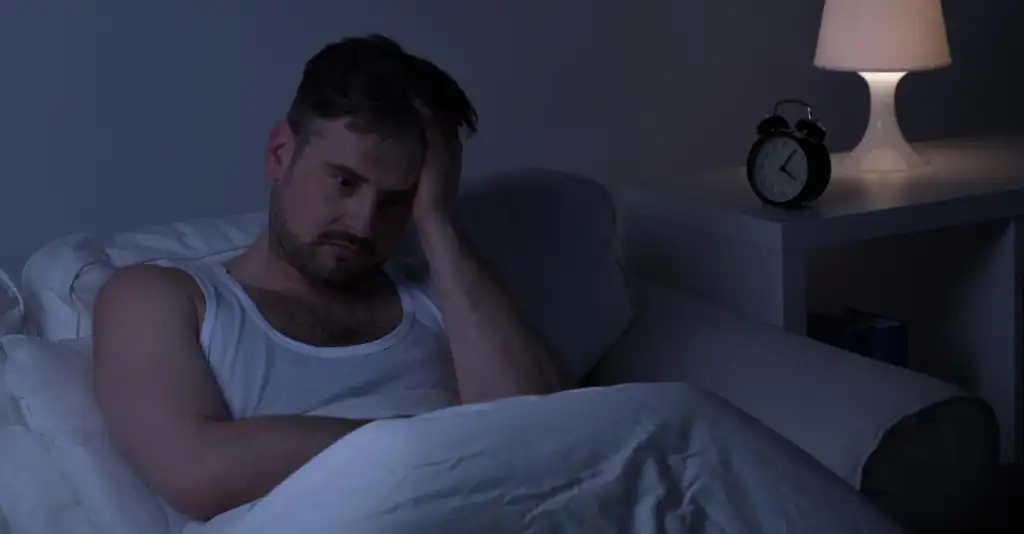
Alcohol is widely and wrongly believed to be a sleep aid. It may help some people fall asleep faster. But it significantly disrupts sleep architecture, particularly REM (rapid eye movement) sleep, which is the most restorative phase.
Poor sleep is one of the most powerful drivers of anxiety. A night of alcohol-impaired sleep often leaves you more anxious, emotionally reactive, and cognitively foggy the next day. This increases the urge to drink again. It is a vicious cycle.
Dangerous Interactions with Medication
If you are prescribed medication for anxiety, such as benzodiazepines or serotonin-norepinephrine reuptake inhibitors (SNRI), combining them with alcohol can be genuinely dangerous.
Mixing alcohol with benzodiazepines, for example, can cause severe respiratory depression, extreme sedation, and in some cases, fatal overdose.
SNRIs combined with alcohol can increase drowsiness, impair judgment, and reduce the medication’s effectiveness. Even some antihistamines and beta-blockers prescribed for anxiety symptoms interact poorly with alcohol.
In context to beta-blockers, MedicalNewsToday explains that alcohol can actively trigger their most dangerous side effects. This interaction significantly raises the risk of life-threatening complications, such as acute heart failure and severely restricted blood flow (arterial insufficiency).
What to Do if You’re Addicted to Alcohol
Here’s what you can do to break free from the cycle of addiction:
Seek Professional Help

When anxiety and alcohol addiction exist together, it’s called a dual diagnosis. Treating one without the other rarely works. You need a comprehensive approach that addresses both your mental health and your physical dependency.
New Life luxury rehab centre offers a discreet, world-class path to healing in the heart of Dubai. We specialise in treating high-performing individuals and executives who need a confidential, supportive space to reset.
New Life moves beyond the idea of simply stopping use. We provide an integrated medical and holistic framework designed to foster deep, internal healing and long-term recovery.
Our programs include:
- Bespoke Detox: Safe, medically supervised withdrawal in a luxury setting.
- Dual-Diagnosis Treatment: Working with clinical psychologists to uncover the roots of your anxiety.
- Holistic Therapies with Dopamine Diet: From diets that help reduce dopamine triggers to mindfulness and nervous system regulation, we focus on your total restoration.
Move Beyond Temporary Relief and Invest in Your Long-Term Well-Being
Try Cognitive Behavioural Therapy
If anxiety is steering your life, Cognitive Behavioural Therapy (CBT) might be the most powerful tool you haven’t tried yet. CBT is a structured, evidence-based form of therapy that helps you identify the negative thought patterns driving your anxiety and then actively rewire them.
The core idea of this therapy is that it’s not always the situation that causes anxiety; it’s the meaning you attach to it. CBT teaches you to challenge distorted thinking, replace unhelpful beliefs with realistic ones, and gradually face the situations you’ve been avoiding.
The results speak for themselves. A study published in Springer Nature Link found that 77.1% of participants of CBT reported significant improvements in anxiety.
Trading the Cycle of Dependence for a Life of Balance
Reaching for a drink when life feels overwhelming is completely understandable, and you are far from alone in doing so. But the relief alcohol offers is borrowed time. It takes more than it gives, and over time, it can quietly transform a manageable anxiety into something far harder to live with.
However, you have the power to choose healthier paths, and New Life Rehab is there to help you. We combine medical support, one-on-one therapy, and relaxing treatments to help you reset your response to stress. It all happens in a private, world-class environment designed for your comfort.