
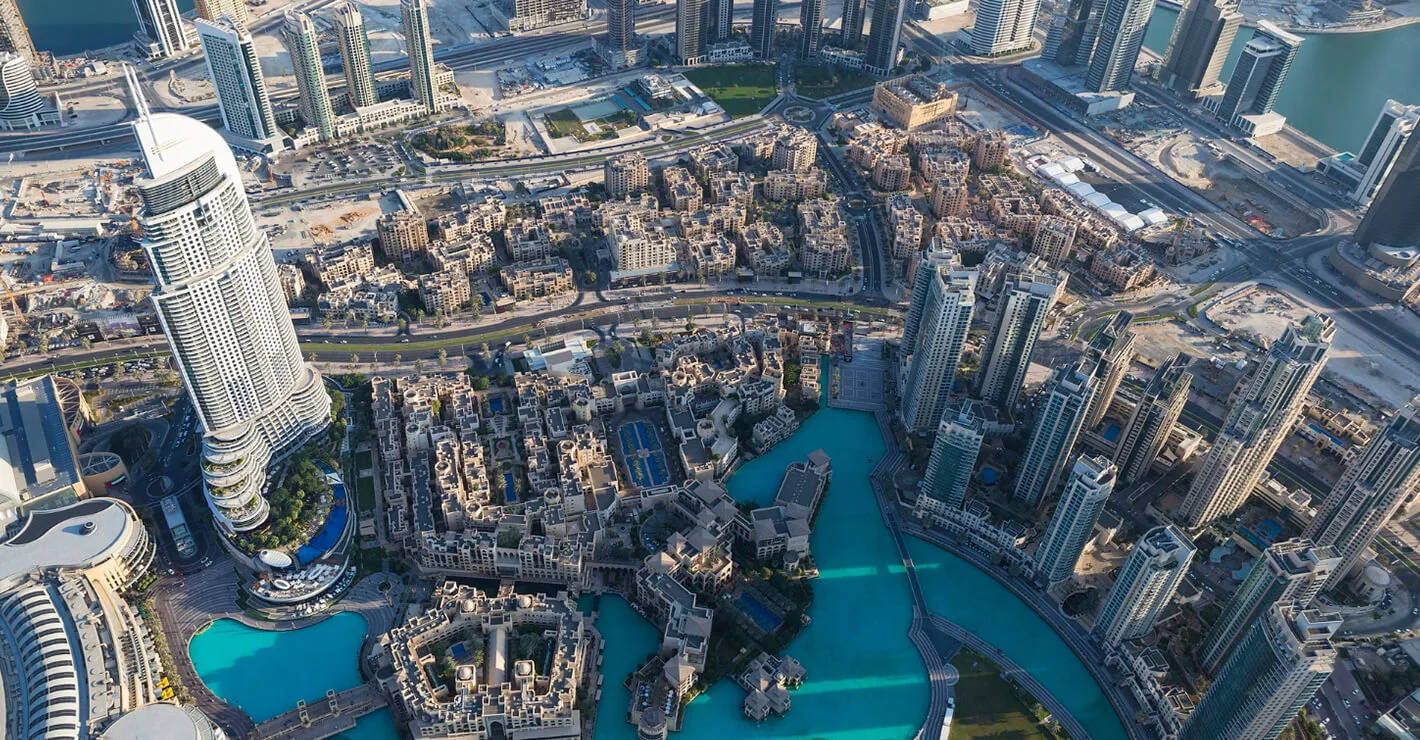
Social isolation in Dubai is a growing concern, especially among expats adjusting to a fast-paced and unfamiliar environment.
Key Takeaways
- Dubai is home to a thriving expat community, but residing in the city affects mental health.
- Brunch culture with normalisation of heavy drinking, comparison traps, identity disruption, and the loss of ordinary life, and financial stress with hedonic treadmill increase the risk of social isolation and substance abuse.
- Building authentic connections, resetting relationships with alcohol, and reclaiming ordinary rituals like cooking a meal can help overcome social isolation and substance abuse.
- If the cycle becomes unmanageable, New Life, a holistic rehab centre in Dubai, offers confidential, executive-focused support tailored to the unique challenges of expat life.
Dubai sells a dream, and honestly, it delivers on a lot of it.
The skyline is jaw-dropping, and the tax-free salary lands in your account every month. Your weekend plans can also range from brunching in Jumeirah Beach Residence to dune-bashing in the desert.
Not surprisingly, 92% of Dubai’s population are expats. The rest are Emirati nationals.
Moving to the UAE has genuinely changed the lives of thousands for the better. But beneath the glamour, a quieter, harder story is playing out for many residents.
The very lifestyle that makes the city so attractive can also quietly erode mental health. It deepens loneliness and creates the conditions where alcohol or substances begin to fill a gap that should be filled by community, purpose, and belonging. Why? New Life rehab centre will explore that here. Dive in, then!
Why Moving to Dubai Increases the Risk of ‘Social Isolation’ and Substance Abuse?
Here are four reasons why moving to Dubai increases the risk of social isolation and substance abuse.
1. Brunching Culture and the Normalisation of Heavy Drinking

Friday or Saturday brunch in Dubai isn’t just a meal but a ritual. Unlimited food, bottomless Prosecco, live DJs, and a sea of expats toasting to the good life is one of the things that makes arriving here feel instantly welcoming.
But that all-you-can-drink model normalises heavy drinking as the default way to connect. What starts as just one mimosa can slide into regular binge patterns because the vibe is so celebratory.
2. Comparison Trap and Social Media Facades
Scroll Instagram in Dubai, and it’s all Lamborghinis at sunset, yacht parties, and “living my best life” captions. The city rewards the highlight reel. But behind the filtered smiles, many expats are quietly struggling.
The comparison trap hits hard when everyone seems richer, fitter, or more connected than you. You see friends back home posting about normal weekends while you’re at another rooftop event, wondering why you still feel alone in a crowd of 3 million.
3. Identity Disruption and the Loss of Ordinary Life
Moving to Dubai often means leaving behind the anchors that kept you grounded. It could be Sunday roasts with family, casual neighbourhood catch-ups, or hobbies that didn’t require a dress code.
Life in Dubai can feel performative. Between non-stop networking and work that never ends, it’s hard to actually switch off. Even friendships can feel temporary, often disappearing as soon as someone’s job contract is up.
A 2025 PMC study on mental health disparities in the UAE notes expats experience elevated sadness, loneliness, and anxiety. These are linked to “precarity arising from residency insecurities, employment dependency, and reduced access to extended family networks.”
Another 2025 paper published in PMC on cross-border precarity calls loneliness and isolation significant contributors for expats.
4. Financial Stress and the Hedonic Treadmill
Dubai pays well, but it’s not an affordable city. In 2026, rents surged over 20% in several communities.
Further, the Mercer Cost of Living survey placed Dubai among the world’s top 20 most expensive cities. Lifestyle inflation creeps in fast. A bigger villa, fancier car, more brunches, weekend getaways to the Maldives can make your handsome salary feel average.
The hedonic treadmill, or the idea that we adapt to new luxuries and need even more to feel the same happiness, is real here. You earn more, spend more, and still feel the pressure.
When the contract renewal anxiety hits or the dirham-to-home-currency conversion doesn’t stretch as far as expected, stress spikes. That’s when the bottle or other quick escape starts looking like relief.
How to Overcome Social Isolation and Substance Abuse?
The good news? Dubai is full of tools and communities ready to help. You just have to reach for them before things spiral.
1. Build Real Connections
Skip the default bottomless brunch circuit and intentionally seek lower-pressure, substance-free ways to connect.
Join hiking groups in Hatta, morning runs along the Dubai Marina, or weekend sports leagues through apps like Meetup and InterNations.
The city’s growing sober-curious movement has made alcohol-free socialising much easier. We are talking about wellness brunches, paddleboarding meetups at Kite Beach, or community yoga sessions.
Volunteering with local initiatives or joining one of the many expat support circles can create far more meaningful friendships than late-night parties ever will.
2. Reset Your Relationship with Alcohol
The brunch and ladies’ night culture makes alcohol drinking feel normal, but you don’t have to play along.
Start small. Set a two-drink limit or choose daytime activities instead. Dubai is riding the global sober-curious wave. NoLo spots and many high-end venues now offer sophisticated mocktails with Middle Eastern flavours like saffron, rose, and pomegranate.
Simply tracking their weekly drinks for one month can lead to natural moderation and better energy levels.
3. Reclaim Ordinary Rituals
One of the highest hidden costs of expat life is losing everyday anchors. Bring them back.
Cook a home-cooked meal on Sundays, enjoy quiet walks at Al Qudra lakes, or start a small book or board-game club with neighbours.
These simple routines remind you who you are beyond your job title and salary package. They reduce the emotional void that often gets filled with quick escapes like drinking.
4. Talk About it With a Professional

If substance abuse has become an addiction, seeking help is one of the strongest things you can do. Talking to a professional is a private and respectful way to start your recovery.
New Life, a holistic rehab centre in Dubai, helps expats navigate these struggles. Our teams use proven methods to treat both the physical side of addiction and the loneliness or social stress that often causes it in the first place.
Whether you need a structured detox program or long-term therapeutic support, experts at our luxury rehab centre can help rebuild your life.
Finding Your Balance Without Leaving the UAE
You moved to Dubai for the adventure, not to quietly struggle. The city’s energy is unmatched, but protecting your mental health and social connections is what lets you actually enjoy it long-term.
If this resonates, reach out to a friend and try one small change this week. Remember that the real Dubai dream isn’t the perfect Instagram life. It’s feeling at home in your own skin while living in this incredible place.
Can’t navigate this alone? New Life, a holistic rehab centre in Dubai, is there to help you out.
Located in the Jumeirah Beach setting, our luxury rehab centre specialises in confidential, executive-focused treatment for substance abuse, process addictions, burnout, anxiety, depression, and co-occurring mental health challenges.
We offer safe, doctor-led detox, all-around therapy, and a custom plan for your future, so you can get back to living your life in balance.