TL;DR
- Alcohol withdrawal follows a predictable timeline. Symptoms begin within 6 to 12 hours, peak at 24 to 72 hours, and most physical symptoms ease within a week. Psychological effects can linger for weeks, though.
- How long and how intense detox feels depends on factors like how long you’ve been drinking, your genetics, and overall health.
- Detoxing alone can be dangerous. Rehab centres in Dubai offer 24/7 medical supervision, holistic support, and complete privacy to make the process safer and the recovery lasting.
Alcohol detox timeline is one of the most important things to understand when preparing for recovery.
It takes a lot of courage to decide to stop drinking and start fresh. Honestly, it’s one of the bravest things you can do for yourself.
But let’s be real: the fear of the unknown is usually what holds people back. You’re likely sitting there with one big, pressing question: How long is this actually going to take?
It’s completely normal to worry about how you’ll feel, whether you can handle the physical side of things, or how much time you’ll need to step away from your career and family.
In a country like the UAE, where excellence and efficiency are part of the culture, it’s natural to want a clear, structured roadmap for your recovery.
Don’t worry; New Life rehab will break down everything for you. In this guide, we’ll walk you through the alcohol withdrawal timeline and explore what your body goes through during alcohol detox. Toward the end, we’ll also walk you through the role of professional rehab in the detox process.
The Alcohol Withdrawal Timeline, Hour by Hour
No two journeys are identical, but there is a general alcohol withdrawal timeline that most people follow. Knowing what to expect can take the scare factor out of the process.
Phase 1: The First 6 to 12 Hours
The symptoms usually begin shortly after the last drink. For many, this feels like a very intense hangover that simply won’t go away.
Your blood alcohol level drops. You might still feel the tail end of last night’s buzz wearing off, maybe a bit sleepy or foggy. There aren’t any significant symptoms yet for most, but if dependence is strong, subtle anxiety or restlessness can creep in.
Phase 2: 12 to 24 Hours
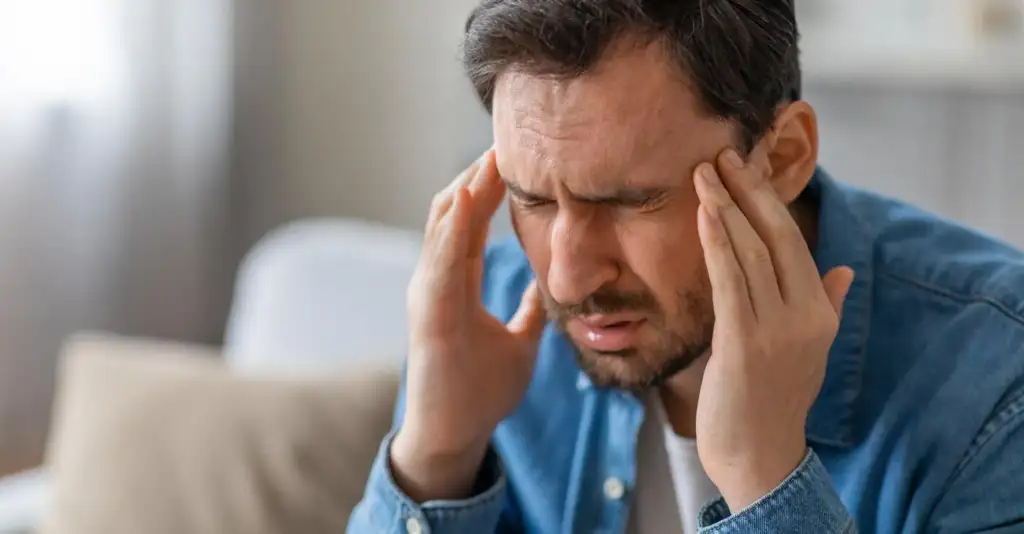
As the alcohol completely leaves the bloodstream, the nervous system becomes more agitated.
Early withdrawal kicks in for many. Expect mild symptoms like headaches, hand tremors, anxiety, insomnia, nausea, sweating, and a racing heart. You may also notice increased heart rate, sweating, and alcoholic hallucinosis, which are usually sensory.
Phase 3: 24 to 72 Hours (The Peak)
This is typically the most challenging window. It is the point where symptoms either begin to subside or escalate into more serious territory.
Symptoms intensify in this phase. You might experience stronger tremors, irritability, loss of appetite, and possible visual, auditory, or tactile hallucinations.
About 3% to 5% of people experiencing withdrawal may develop delirium tremens (DTs). This involves severe confusion, agitation, and potential seizures. This is the primary reason why cold turkey at home is discouraged.
Phase 4: 72 Hours to 1 Week
For the majority of people, the most intense physical symptoms begin to ease significantly by the end of the first week.
Physical symptoms like nausea and tremors start to fade. However, psychological symptoms like brain fog, irritability, and sleep disturbances may persist. You’ll likely start regaining your appetite and find it easier to stay hydrated.
Beyond 1 Week (Post-Acute Withdrawal Syndrome – PAWS):
While the acute alcohol detox is over, the body is still healing. Some individuals experience post-acute withdrawal syndrome (PAWS), which involves mood swings and cravings that can last for weeks or months.
This is why getting long-term support in Dubai at an alcohol rehab in Dubai is important. It helps make sure you don’t start drinking again.
What are the Factors that Influence the Detox Timeline
You might wonder why one person breezes through detox in three days while another struggles for a week. Several factors dictate how your body handles the alcohol withdrawal timeline.
1. Duration and Intensity of Use
This is the most significant factor. If you have been drinking heavily for several years, your brain has made major structural changes to compensate for the alcohol. Consequently, the alcohol detox process takes longer and may be more intense.
2. Physiology and Genetics
Your DNA plays a role in how you metabolise substances. Some people have enzymes that process alcohol more efficiently. Meanwhile, others may be more prone to severe withdrawal symptoms due to their genetic makeup.
Age also plays a role. As you get older, your organs, especially the liver and kidneys, take longer to process toxins.
3. Co-occurring Health Conditions
If you are managing other health issues, such as high blood pressure or mental health challenges like depression, the detox process can be more complex.
A holistic rehab centre is particularly effective here. That is because it looks at the whole person, ensuring that your physical health is stabilised while your mental health is supported.
4. Nutrition and Hydration
Alcohol often leads to significant vitamin deficiencies (particularly B vitamins like Thiamine).
If your body is depleted of nutrients, it has fewer resources to repair itself during detox. This is why every luxury rehab centre emphasises “Gourmet Nutrition”. That means using high-quality, nutrient-dense meals to speed up the cellular repair process.
The Role of Rehab in the Detox Process

Attempting detox alone, especially if you’ve been drinking heavily, can be risky and even dangerous. Seizures or DTs can strike suddenly, and without monitoring, complications rise fast.
Rehabilitation programs turn a scary process into a structured, compassionate one. In the UAE, specifically in Dubai, the New Life luxury rehab centre exists.
Your privacy is our #1 goal. That’s why we follow all UAE regulations to ensure your treatment is 100% confidential and fully legal. Our discreet inpatient detox in serene settings is perfect for expats who value confidentiality.
What does professional detox look like at New Life Alcohol Rehab Centre in Dubai?
- Medical supervision: 24/7 monitoring of vitals, with medications like benzodiazepines to ease anxiety and prevent seizures.
- Private 5-Star Recovery: You aren’t just staying in a room; you are recovering in an ultra-private Jumeirah-based villa. This environment reduces cortisol (the stress hormone) and allows medical therapies to work more effectively.
- Dopamine Diet: Alcohol actually hijacks your brain’s reward system. To help, our experts developed a specialised dopamine diet. It’s a specialised nutritional plan designed to boost mental well-being and motivation naturally. That reduces the brain’s reliance on quick dopamine triggers like substances.
- 24/7 Support: A dedicated live-in counsellor is available around the clock to provide emotional stability and guidance.
- Holistic Activities: Light activities, such as fitness programs and outdoor training, help rebuild strength and resilience.
Detox is just the start. Rehab programmes then move into therapy, such as cognitive behavioural therapy (CBT), to tackle the root causes and prevent relapse. We also offer outpatient follow-up and aftercare, which reduces the risk of relapse.
Want to See Everything That New Life Luxury Rehab Centre Has to Offer?
Explore Our Treatment Options Here!
Patience is Your Greatest Ally
Alcohol detox is not a comfortable process, but it is absolutely survivable. Once you understand the alcohol withdrawal timeline, you can strip away the fear and focus on your healing.
Searching for rehab centres near you? Look no further than New Life luxury rehab centre. It respects your privacy and your pace.
We deliver treatment experience in ultra-private settings, such as luxury villas. There, you have access to personal butlers and chefs, private chauffeurs for medical appointments, and beach and pool access. Oh, and you also enjoy total anonymity with strict privacy protocols.